• Canadian IT Education

Build Practical Digital Skills for a Changing World

We deliver structured, contemporary information technology education designed for Canadian adult learners and working professionals. Focused on clear foundations, realistic exercises, and progressive skill development, our curriculum builds lasting digital confidence without hype or shortcuts.

Curriculum Pathways

Featured Learning Areas

Explore six foundational technology disciplines structured around practical capability, progressive depth, and verifiable modern toolsets.

Software Development

Build structured software foundations through core algorithmic thinking, robust syntax habits, and disciplined debugging workflows.

Key Topics:

Variables, conditional logic, loops, modular functions, object-oriented concepts, and basic version control.

Practical Exercises:

Building algorithmic scripts, refactoring structured routines, and isolating runtime logic faults.

Web Development

Master the foundational architecture of the open web, emphasizing semantic markup, responsive systems, and standard accessibility rules.

Key Topics:

HTML5 semantics, modern CSS layout models, vanilla JavaScript execution, and responsive viewport rules.

Practical Exercises:

Composing accessible multi-page layouts, styling modular components, and handling browser events.

Data Analytics

Develop systematic analytical reasoning by transforming unstructured tabular records into clear, actionable business summaries.

Key Topics:

Data hygiene, spreadsheet aggregation models, relational schema logic, introductory SQL queries, and visual reports.

Practical Exercises:

Cleaning real-world public data tables, executing multi-condition filtering, and generating metric dashboards.

Cybersecurity Fundamentals

Learn disciplined, defensive cybersecurity principles essential for safeguarding identities, infrastructure, and institutional assets.

Key Topics:

Threat vectors, multi-factor credential security, phishing counter-measures, safe networking, and access controls.

Practical Exercises:

Evaluating credential policies, configuring browser security baselines, and authoring defensive risk audits.

Cloud Computing

Understand virtualized infrastructure, cloud storage tiers, and deployment models through a vendor-neutral conceptual framework.

Key Topics:

IaaS/PaaS/SaaS architectures, shared responsibility security, distributed storage, and elastic scaling concepts.

Practical Exercises:

Mapping cloud workload topologies, estimating resource needs, and evaluating data redundancy designs.

Digital Productivity

Elevate day-to-day organizational capability with professional digital documentation, file architecture, and automated workflows.

Key Topics:

Structured file hierarchies, collaborative revision control, professional communication, and productivity tooling.

Practical Exercises:

Designing reproducible team workflows, standardizing asset repositories, and writing technical briefs.

Methodology

Structured Learning That Respects Your Time

Adult learners and working professionals require education built on clarity, logical progression, and practical application. We replace theoretical abstractions with guided, incremental problem-solving.

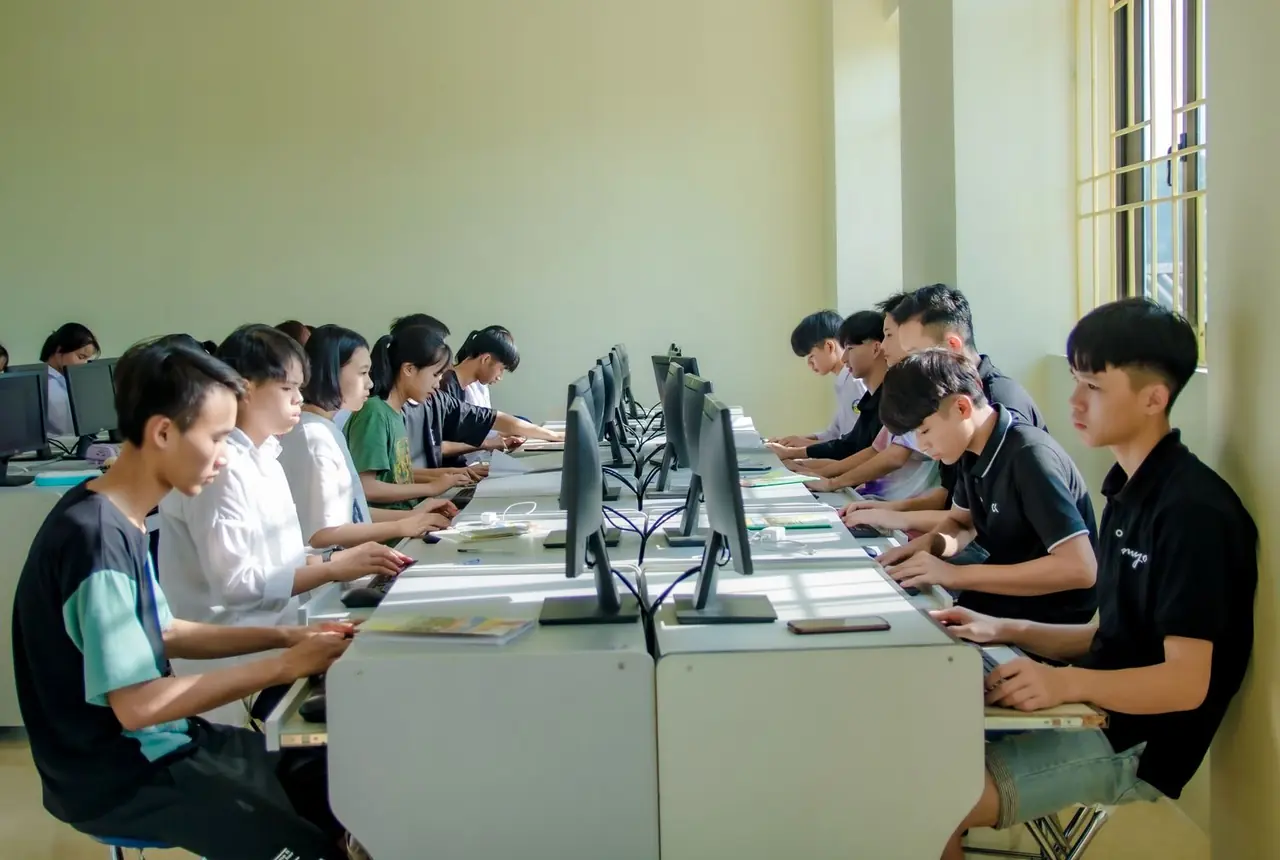
Adult learners in a technology classroom engaged in practical digital coursework

Our Educational Principles

Our instructional approach is founded on deliberate practice. Each topic begins with a concise conceptual introduction, advances through guided demonstration, and culminates in independent technical experimentation.

01

Clear Explanations

Complex computing subjects are unpacked using precise, plain terminology. We demystify technical jargon so students grasp foundational mechanics before writing code or configuring services.

02

Progressive Pathways

Each learning module builds methodically upon preceding knowledge. Learners avoid cognitive overload through deliberate sequencing that reinforces core concepts before introducing advanced patterns.

03

Realistic Technical Exercises

Students work with realistic sample datasets, authentic web layouts, and defensive security checklists that mirror modern professional technical scenarios.

04

Independent Problem-Solving

Guided solutions transition rapidly into self-directed troubleshooting. Learners cultivate analytical resilience, mastering documentation lookup and debugging methodologies.

05

Continuous Improvement

Reflective checkpoints allow learners to assess skill mastery, identify areas for further practice, and establish sustainable lifelong learning routines.